

Monkeypox, also known as mpox, has emerged as a pressing health concern worldwide. This zoonotic disease, caused by the monkeypox virus, is characterized by distinctive symptoms like skin lesions, fever, and swollen lymph nodes. Its recent classification as a public health emergency underlines the importance of awareness and preventive strategies.
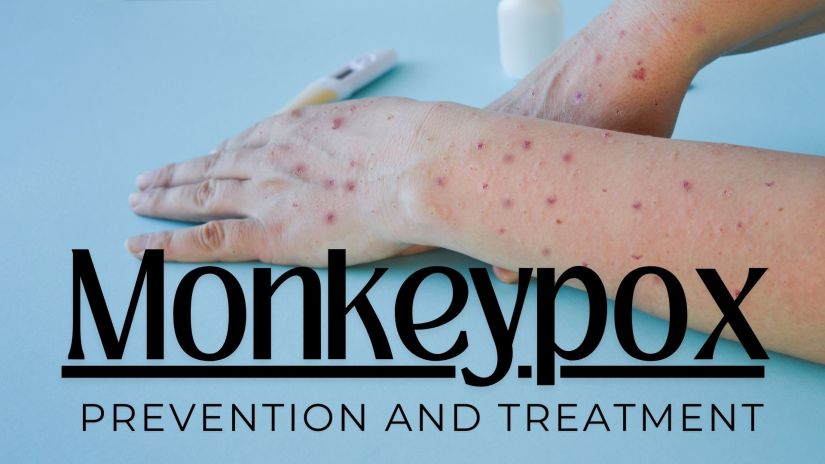
In this detailed guide, we’ll explore the origins, symptoms, prevention, and treatment of monkeypox, as well as its social and ethical implications.
What is Monkeypox?
Monkeypox is a viral infection that belongs to the Orthopoxvirus genus, the same family as the smallpox virus. It was first discovered in 1958 in monkeys used for research, hence the name. However, its primary reservoirs are rodents, making it a classic example of a zoonotic disease.
The first human case of monkeypox was reported in 1970 in the Democratic Republic of Congo. Historically, the disease was confined to Central and West Africa, but globalization, increased travel, and changes in ecological dynamics have contributed to its spread.
Symptoms of Monkeypox
Monkeypox symptoms usually appear 7–14 days after exposure, though the incubation period can range from 5 to 21 days.
Common Symptoms Include:
- Fever: One of the earliest signs.
- Fatigue and Muscle Aches: Generalized weakness and discomfort.
- Swollen Lymph Nodes: A distinguishing feature that sets monkeypox apart from other poxviruses.
- Skin Lesions: These progress through several stages:
- Macules (flat discolorations).
- Papules (raised bumps).
- Vesicles (fluid-filled blisters).
- Pustules (pus-filled sores).
- Scabs that eventually heal.
Lesions can appear on the face, palms, soles, and mucous membranes, often in a centrifugal pattern.
How Does Monkeypox Spread?
Monkeypox spreads through both animal-to-human and human-to-human transmission.
Animal-to-Human Transmission:
- Direct contact with infected animals, particularly rodents and primates.
- Consumption of undercooked meat from infected animals.
Human-to-Human Transmission:
- Direct Contact: Touching skin lesions, bodily fluids, or respiratory secretions of an infected person.
- Fomites: Contact with contaminated objects like clothing or bedding.
- Sexual Health Considerations: Close contact during sexual activities has been a significant transmission route in recent outbreaks, emphasizing the importance of safe sex practices.
Prevention of Monkeypox
Key Strategies for Prevention
- Vaccination:
The smallpox vaccine (e.g., JYNNEOS) has shown efficacy in preventing monkeypox. Vaccination campaigns for high-risk populations are crucial. - Hygiene Practices:
- Frequent handwashing with soap and water.
- Use of alcohol-based sanitizers.
- Avoiding contact with contaminated materials.
- Safe Sex Practices:
- Use of barriers like condoms during sexual activities.
- Open discussions about sexual health to reduce stigma and promote awareness.
- Public Health Interventions:
- Surveillance of outbreaks and early detection.
- Isolation of infected individuals to prevent community spread.
- Avoiding Contact with Animals:
- Reducing interaction with wild animals in endemic regions.
- Cooking animal products thoroughly.
Treatment of Monkeypox
There is no specific cure for monkeypox, but supportive care and antiviral treatments can significantly improve outcomes.
Key Treatment Approaches
- Antiviral Medications:
- Tecovirimat (TPOXX): Approved for monkeypox treatment in severe cases.
- Cidofovir: An alternative in certain scenarios.
- Symptom Management:
- Pain relievers and antipyretics for fever and discomfort.
- Hydration and nutritional support.
- Skin Lesion Care:
- Keeping lesions clean to prevent secondary infections.
- Use of antiseptic solutions when needed.
- Hospitalization:
- Required for severe cases, especially those with complications or immunosuppression.
Social and Ethical Implications of Monkeypox
1. Stigma and Misinformation
The association of monkeypox with certain communities has fueled stigma and discrimination, particularly in the context of sexual health. Public health campaigns must use inclusive language and avoid perpetuating stereotypes.
2. Healthcare Inequities
Access to vaccines, antivirals, and medical care remains limited in many low-income countries, highlighting global health disparities. Efforts must focus on equitable distribution of resources.
3. Ethical Research and Reporting
Ethical considerations are crucial when conducting research or reporting on outbreaks. Ensuring informed consent and protecting the privacy of affected individuals are vital.
Frequently Asked Questions (FAQs)
1. Is monkeypox fatal?
In most cases, monkeypox is not fatal. However, complications can arise, particularly in immunocompromised individuals, young children, and pregnant women.
2. How does monkeypox differ from smallpox?
While both are caused by orthopoxviruses, monkeypox is less contagious and less severe than smallpox. Swollen lymph nodes are a hallmark of monkeypox.
3. Can I prevent monkeypox through vaccination?
Yes, smallpox vaccines like JYNNEOS provide protection against monkeypox. Consult your healthcare provider if you’re in a high-risk group.
4. Are certain groups more at risk?
Yes, healthcare workers, close contacts of infected individuals, and those in areas with active outbreaks are at higher risk.
Conclusion: Staying Vigilant
Monkeypox, or mpox, is a global health concern that demands awareness and proactive measures. By combining modern medicine with effective public health strategies, we can mitigate its impact and safeguard our communities.
What are your thoughts on the current monkeypox outbreak? Have questions or experiences to share? Let us know in the comments below, and let’s explore ways to enhance awareness and health together!
Stay informed, stay safe.
 healthmonastery.com