

Cracked heels, also known as heel fissures, can be a painful and unsightly foot condition. Not only do they make your feet look unattractive, but they can also lead to discomfort and infections if left untreated. In this blog post, we’ll delve into the causes of cracked heels, effective remedies, and essential tips for preventing this common foot issue.
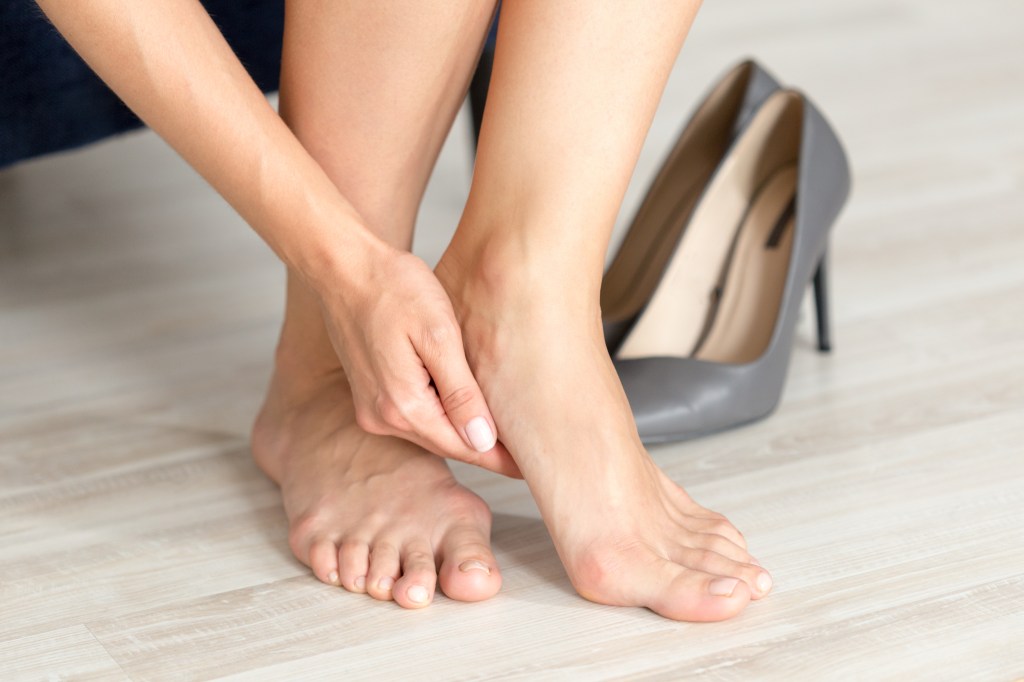
Understanding the Causes
Cracked heels can occur for a variety of reasons, including:
- Dry Skin: Lack of moisture is a primary cause of cracked heels. Dry skin around the heels is more likely to crack under pressure.
- Improper Footwear: Wearing open-back shoes or sandals that offer little support can cause your feet to expand sideways, leading to cracks.
- Excessive Standing: If your job or daily routine involves prolonged periods of standing, it can put extra pressure on your heels and make them more prone to cracking.
- Health Conditions: Certain medical conditions like diabetes, psoriasis, and thyroid disorders can contribute to dry skin and cracked heels.
Effective Remedies for Cracked Heels
- Hydration: The most crucial step in treating cracked heels is to keep your feet well-hydrated. Apply a rich, moisturizing cream or foot balm daily, focusing on the heels.
- Soak and Exfoliate: Soak your feet in warm water for 15-20 minutes to soften the skin. Use a pumice stone or foot file to gently exfoliate the dead skin from your heels.
- Oils: Natural oils like coconut oil, olive oil, or almond oil are excellent for healing cracked heels. Apply a few drops before bedtime and wear cotton socks to lock in moisture.
- Over-the-Counter Treatments: Consider over-the-counter heel creams and ointments that contain ingredients like urea or salicylic acid, known for their exfoliating properties.
- Honey and Aloe Vera: Create a homemade healing paste by mixing honey and aloe vera gel. Apply it to your heels, leave it for 20 minutes, and rinse with warm water.
Preventing tips for Cracked Heels
- Proper Footwear: Opt for well-fitting, supportive shoes that cover your heels to reduce friction and pressure.
- Moisture Management: After showering or bathing, pat your feet dry and apply a moisturizer. Avoid excessively hot water, as it can strip your skin of natural oils.
- Regular Foot Care: Make foot care a part of your routine. Trim your toenails, exfoliate, and moisturize regularly.
- Stay Hydrated: Drink plenty of water to keep your skin hydrated from the inside out.
- Balanced Diet: A diet rich in vitamins and minerals, especially zinc and omega-3 fatty acids, can promote healthy skin.
- Foot Soaks: Occasionally soak your feet in warm water with Epsom salts or a few drops of tea tree oil for added antibacterial benefits.
When to Seek Medical Attention
If your cracked heels are severe, painful, or infected, it’s essential to consult a healthcare professional or a podiatrist. They can provide you with the necessary guidance and treatment options to address the issue effectively.
Take away
Cracked heels are a common foot problem that can be uncomfortable and unsightly, but with proper care and attention, they can be easily managed and prevented. By following the remedies and preventive measures outlined in this blog post, you can enjoy healthy, soft, and pain-free heels. Remember that consistent care and good footwear choices are key to maintaining the health of your feet.
 healthmonastery.com